 P2P
P2PSecurity deposit: what it is and why platforms ask for it
Why P2P processing platforms hold a security deposit, how it differs from a fee, what it covers and how you get it back when you stop working.
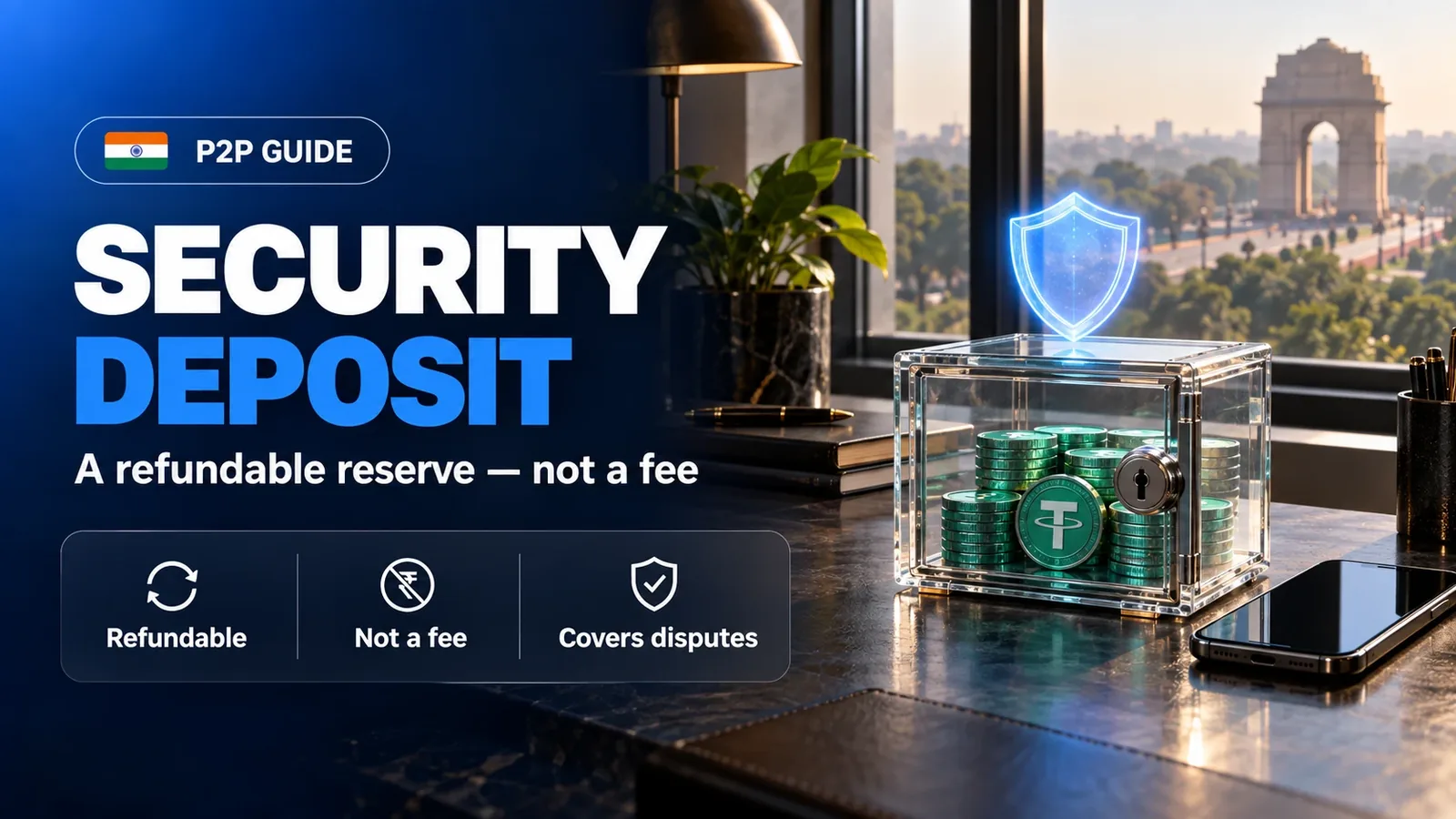
During P2P processing, customer payments land directly in the trader's own bank accounts, and while the working session runs, the trader controls those funds. The security deposit is the platform's protection for exactly that situation: a reserve that secures the transaction flow and reduces financial risk for both sides.
What the security deposit is — and what it is not
- It is a refundable reserve, not a registration fee or a payment for access
- It stays linked to your working account
- It serves as financial protection while you process the platform's volume
- It covers the resolution of appeals and disputes between the merchant and the platform
- If you stop working, you can request it back under the platform's rules
The logic is simple: you receive and control transaction funds through your bank accounts, and the platform holds the deposit until all working obligations are completed.
The security deposit is not money you pay to join a project. If a platform also charges a separate account-creation fee, that is a different line, and the offer page states it openly.
Security deposit and working balance
On most platforms the entry amount is split into two parts:
- Security deposit (security balance) — reserved as a guarantee and not spent on orders
- Working balance — the part that turns over while you process orders
Some platforms work without a separate security deposit and only ask for a working balance. The exact structure and the minimum amounts differ from platform to platform — they are listed on each offer page.
Before you place it
All deposit and withdrawal conditions are explained before activation. Make sure you know:
- the minimum amount for the platform you chose
- how the amount is split between security and working balance
- how and when it can be withdrawn after you stop
- which cases, such as appeals and disputes, it can be used for
How to top it up
Deposits are usually placed in USDT on the Tron network (TRC20). If you need to buy USDT for rupees, the USDT/INR market bot connects you with sellers I have checked myself.
The deposit is the fifth step of how to start as a P2P trader.